
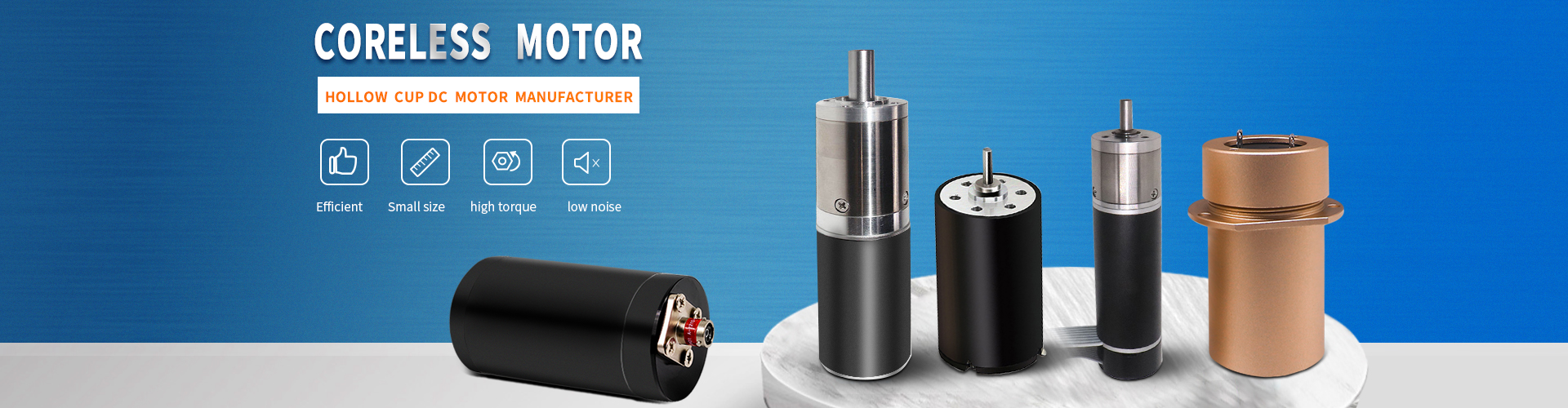
The field of micro-robotics has long awaited a commercially available DC motor below 4 millimeters in diameter that delivers usable torque without compromising reliability. A newly introduced hollow cup motor measuring just 3.8 mm in diameter and 8 mm in length achieves a no-load speed of 18,000 RPM and a stall torque of 0.45 mNm—figures that were considered impractical for coreless designs at this scale just three years ago.
This miniaturization breakthrough was enabled by three manufacturing innovations: laser-cut planar windings achieving copper fill factors above 70%, ceramic hybrid bearings that eliminate the need for traditional ball bearing assemblies, and automated micro-assembly techniques that position components with sub-10-micron precision. The resulting motor weighs just 0.28 grams yet delivers sufficient power to actuate micro-grippers, steerable catheter tips, and miniature inspection robots navigating conduits as small as 5 mm in diameter.
Early adopters in the surgical endoscopy sector are integrating these sub-4mm coreless motors into disposable robotic catheters, where each motor is used once and discarded. The low cost enabled by automated manufacturing—estimated at under $15 per unit in volume production—makes single-use configurations economically viable. Meanwhile, micro-robotics researchers are incorporating the motors into swarm robot platforms, where dozens of motors must operate simultaneously within confined spaces. As the trend toward minimally invasive procedures and micro-scale automation accelerates, the 4mm diameter threshold represents a gateway to previously impossible device architectures. Sample quantities of the 3.8 mm coreless motor are available for engineering evaluation starting Q2 2026, with full production scheduled for early 2027.
Post time: May-25-2026