
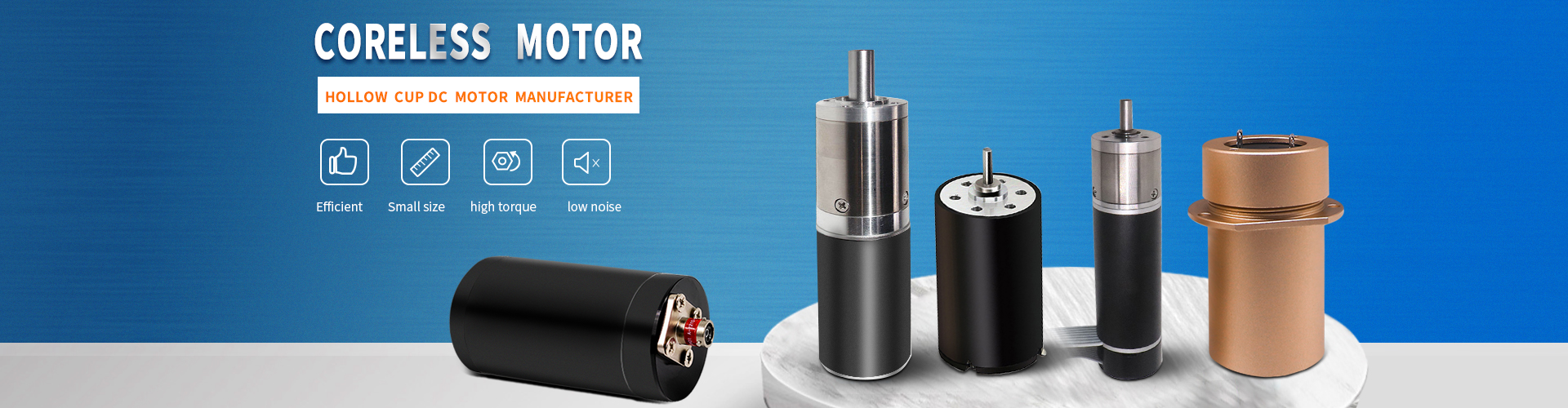
Behind the lives of over 500 million diabetic patients worldwide, a quiet yet critical precision drive revolution is taking place inside subcutaneous drug delivery devices. From traditional insulin injection pens to modern closed‑loop artificial pancreas systems, every microlitre‑scale drug advance relies on a tiny heart that is small enough, accurate enough, and reliable enough – the coreless DC motor.
From “Several Shots” to “One Pump”: The Extreme Challenges of Insulin Delivery
For patients with type 1 and some with type 2 diabetes, multiple daily subcutaneous insulin injections are a non‑negotiable necessity. However, conventional injections suffer from dose variability, injection site injury, and poor compliance. The emergence of smart insulin pumps and patch‑type insulin infusion systems has made continuous subcutaneous insulin infusion (CSII) a far better solution.
These wearable medical devices impose stringent requirements on the core drive motor:
- Size must be millimetre‑scale while delivering both reduction and power output;
- Power consumption must be extremely low to support multi‑day operation;
- Noise and vibration must be almost imperceptible to the user;
- Flow control accuracy must reach 0.01 U/hour without stalling or over‑infusion – any deviation could directly endanger patient safety.
Coreless Motors: The “Precision Fingertip” of Insulin Pumps
Conventional brushed iron‑core motors, due to cogging torque, high starting voltage, and noticeable electromagnetic interference, struggle to meet the dual demands of ultra‑low speed smoothness and dynamic response required by insulin pumps. The coreless motor, thanks to its iron‑less rotor structure, inherently offers three major advantages for medical applications:
- Zero cogging torque, silky smooth micro‑infusion
The coreless winding eliminates magnetic resistance fluctuations, delivering linear and uniform torque even at speeds as low as a few revolutions per minute. This ensures the insulin pump can steadily deliver as little as 0.01 U/hour, eliminating “empty strokes” or sudden surges. - Milliwatt‑level low power consumption, extended refill intervals
High energy conversion efficiency (over 85% in some models) allows an insulin pump to operate for days on a single coin cell or small lithium battery. Users no longer need to recharge or change batteries frequently, greatly enhancing daily wear freedom. - Extremely low mechanical time constant, faster closed‑loop response
When integrated with continuous glucose monitoring (CGM) data, the insulin pump must rapidly increase or decrease infusion rates. Coreless motors can achieve a mechanical time constant below 10 ms, enabling immediate bolus infusion as glucose rises – much closer to the physiological feedback pattern of a real pancreas.

Sinbad’s Medical Micro‑Drive Solution: Tailored for Insulin Pumps
With over a decade of experience in miniature coreless motor development, Dongguan Sinbad Motor Co., Ltd. has provided rigorously validated drive solutions to several leading insulin pump manufacturers in China.
Take the custom‑developed 10mm brushed coreless motor as an example:
- Designed specifically for patch insulin pumps; overall thickness only 4.5 mm, weight under 3 grams;
- Rated voltage 3.7 V (compatible with single‑cell lithium batteries), no‑load current only 6 mA;
- When paired with a micro planetary gearbox, output speed can be smoothly adjusted from 3 rpm to 300 rpm with torque ripple <5%;
- The rotor is manufactured using fully automatic winding, ensuring high batch‑to‑batch consistency, and the production process follows an extended ISO 13485 quality management framework for medical devices.
This motor has successfully completed accelerated life testing with continuous fault‑free operation exceeding 15,000 hours (simulating a 6‑year usage cycle), and maintains infusion accuracy drift within ±2% across an ambient temperature range of ‑20 °C to +50 °C – directly addressing the core concerns of medical device companies regarding safety and long‑term reliability.
Post time: Jun-13-2026