

October 31, 2026 — As Halloween takes over streets, homes, and theme parks around the world, the scariest sights are increasingly driven by some of the smallest and most precise technologies available. Behind the flying ghosts, glowing pumpkins, and animatronic creatures, coreless motors are quietly playing a starring role—proving that this Halloween, the real magic is engineering.
From Haunted Houses to High-Speed Rotors
Walk into any major haunted house attraction this season, and you'll notice that static props are out. Today's scares are dynamic: a portrait's eyes that follow visitors, a severed hand that twitches, a swarm of bats that swoops from the ceiling. These effects rely on compact, high-response drive systems. Coreless motors—with their low inertia, fast acceleration, and whisper-quiet operation—are ideal for creating sudden, eerie movements without the telltale whine of traditional motors.
"Halloween animatronics demand motion that feels unpredictable and organic," says one industry engineer. "A coreless motor can start and stop in milliseconds, and it runs almost silently. That's exactly what you need when you're trying to make a prop feel alive—or undead."
Trick-or-Treat Drones and Smart Candy Dispensers
Beyond haunted houses, coreless motors are finding their way into consumer Halloween gadgets. Ultra-light drones disguised as bats or ghosts use coreless motors to hover and dart through the night sky, their low weight and high power density enabling flight times that were impossible just a few years ago. Meanwhile, smart candy dispensers—equipped with motion sensors and tiny coreless drive units—can detect approaching trick-or-treaters and dispense treats with a mechanical "claw" or a spinning pumpkin mechanism.
The Science Behind the Scares
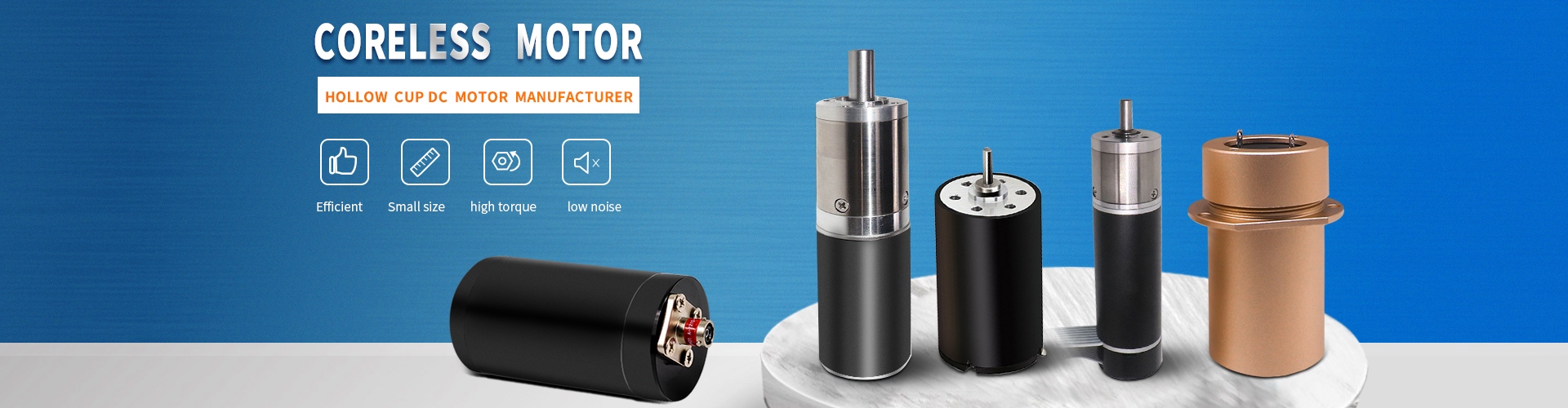
So why are coreless motors so well-suited to Halloween tech? The answer lies in their design. Unlike conventional motors with an iron core, coreless motors feature a self-supporting winding that eliminates cogging torque and reduces weight. The result is:
- High acceleration for jump-scare effects
- Low noise for immersive haunted environments
- Compact size for wearable costumes and miniature props
- High efficiency for battery-powered decorations
In fact, the same technology that drives Halloween's creepiest creations is also being developed for medical robots, aerospace actuators, and ultra-miniature robotics—including motors with diameters below 3 mm.
A Treat for Tech Lovers
As Halloween continues to evolve from carved pumpkins to high-tech immersive experiences, coreless motors are bridging the gap between imagination and engineering. Whether it's a ghost that glides silently through a hallway or a candy bowl that grabs back, the tiny motor inside is doing the heavy lifting.
This Halloween, when you see something that makes you jump, remember: it might just be a coreless motor—spinning quietly, scaring brilliantly.
Post time: Oct-31-2026