
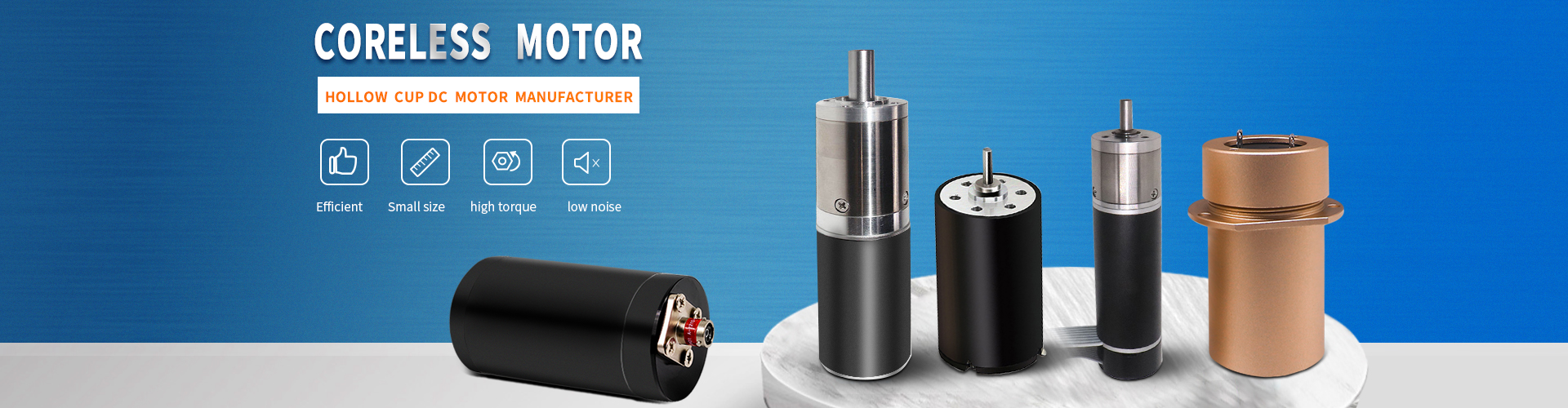
The medical diagnostics industry continues to push the boundaries of what is possible in patient assessment and disease detection, and hollow cup coreless motors are playing an increasingly vital role in enabling these advancements. From MRI-compatible infusion pumps and automated laboratory analyzers to portable ultrasound systems and robotic-assisted biopsy devices, coreless motors are delivering the precision, reliability, and quiet operation that medical diagnostic equipment demands. The unique combination of low electromagnetic interference (EMI), compact form factor, and exceptional motion control characteristics makes coreless motors particularly well-suited for diagnostic applications where accuracy and patient safety are paramount.

In automated laboratory analyzers, coreless motors are being deployed in fluid handling systems, reagent dispensing mechanisms, and sample transport systems. These applications require highly precise, repeatable motion to ensure accurate test results. The zero-cogging characteristic of coreless motors enables smooth, vibration-free operation at low speeds, which is essential for precise fluid handling. Clinical laboratory managers report that analyzers equipped with coreless motor-driven fluid handling systems achieve superior test result consistency compared to those using conventional motor technologies, reducing the need for repeat testing and improving laboratory throughput.

The low EMI characteristics of coreless motors are particularly valuable in MRI environments, where electromagnetic interference can compromise image quality. Coreless motors, by virtue of their ironless rotor design, generate minimal electromagnetic noise and are inherently MRI-compatible. Medical device manufacturers are increasingly specifying coreless motors for MRI-guided interventional systems, where precise motorized positioning must be achieved without degrading image quality. The development of non-magnetic coreless motor variants has further expanded the applicability of this technology in MRI environments.

The reliability requirements of medical diagnostic equipment are exceptionally stringent, as equipment failures can delay diagnoses and impact patient care. Coreless motors, with their brushless architecture and 20,000+ hour rated lifetimes, provide the long-term reliability that medical equipment manufacturers require. The absence of mechanical brushes eliminates a common failure point and reduces the need for routine maintenance, contributing to higher equipment uptime and improved patient care. As diagnostic equipment becomes increasingly automated and sophisticated, the role of coreless motor technology in enabling these advancements is set to expand further.

Post time: Aug-22-2026