
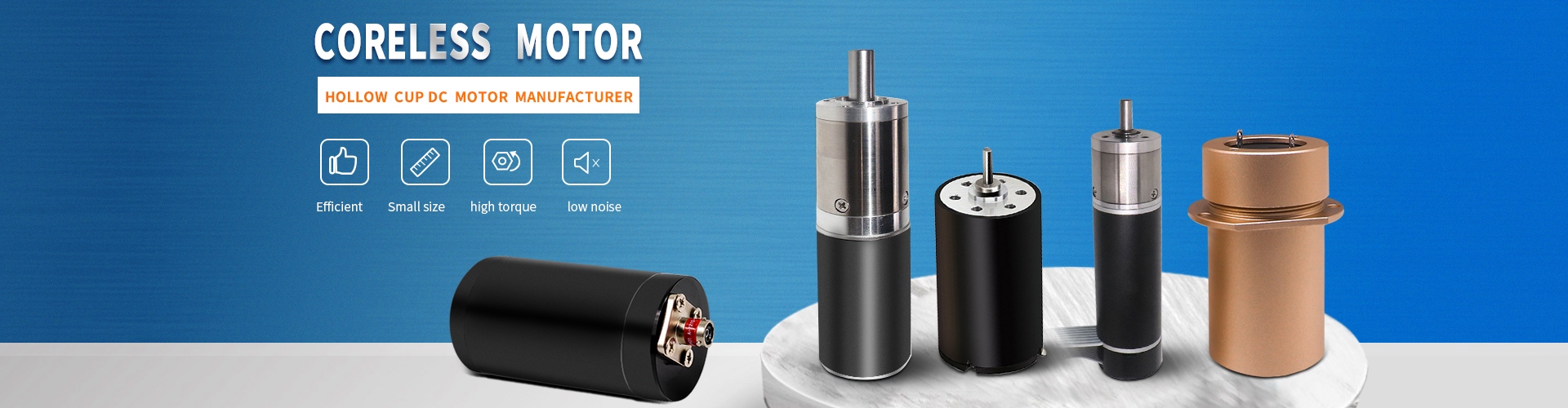
The electric aviation sector is advancing rapidly, with eVTOL aircraft, electric fixed-wing planes, and hybrid-electric regional commuters moving from concept toward certification and commercial operation. These platforms impose exceptionally demanding requirements on actuation systems: every gram of weight matters, reliability must approach aerospace-grade standards, and control precision directly affects flight safety. Hollow cup coreless motors are emerging as a preferred technology for flight control surface actuation, tilt-rotor positioning, and landing gear mechanisms in electric aircraft, delivering the combination of high power-to-weight ratio, rapid response, and low electromagnetic interference that these platforms require.

In eVTOL flight control systems, coreless motors actuate ailerons, elevators, rudders, and tilt mechanisms that transition the aircraft between vertical hover and horizontal cruise. The low rotor inertia of coreless motors enables response times under 20 milliseconds, critical for maintaining stable hover in gusty urban environments and for smooth transition between flight modes. The absence of magnetic cogging eliminates the small torque ripple that can induce unwanted airframe vibration, improving passenger comfort and reducing structural fatigue. Aircraft developers report that coreless motor-driven actuation systems have passed rigorous environmental qualification testing, including vibration, thermal cycling, and electromagnetic compatibility, meeting the demanding standards of aviation certification authorities.

The high efficiency of coreless motors directly extends flight endurance, a critical parameter for electric aircraft where battery energy density remains the primary constraint on range. With efficiencies exceeding 85%, these motors consume less power per actuation cycle than conventional iron-core alternatives, contributing to longer mission profiles and improved payload capacity. The compact form factor also enables lighter, more integrated actuator designs that simplify aircraft packaging and reduce overall system weight.
As electric aviation moves toward certification and commercialization, the role of coreless motor technology in enabling safe, efficient, and reliable flight is expected to expand substantially. Manufacturers are investing in aerospace-grade production processes, including full traceability, environmental stress screening, and radiation-tolerant variants for high-altitude applications. The convergence of electric propulsion and advanced actuation technology is positioning coreless motors as a foundational component of the next generation of sustainable aviation.
Post time: Oct-31-2026