
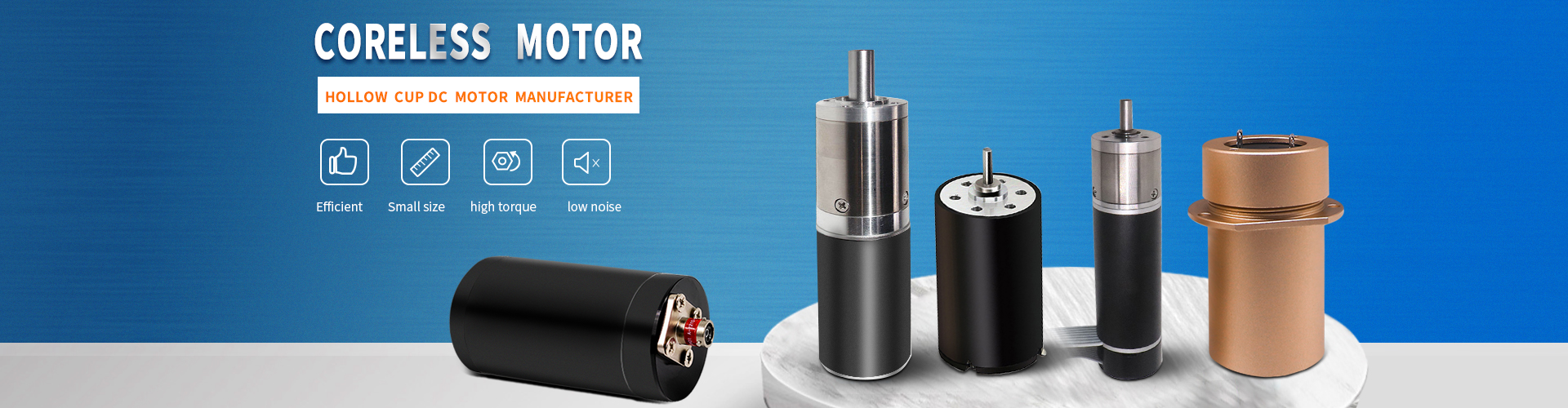
The automotive industry’s rapid transition toward electric vehicles and sophisticated thermal management systems is creating significant opportunities for coreless motor technology. New high-temperature variants of hollow cup motors, specifically engineered to withstand the extreme underhood environments of modern vehicles, are now available with continuous operating ratings up to 155°C. These thermal-resistant motors enable reliable actuation of thermal management components including active grille shutters, electronic water pumps, and battery cooling fan actuators that must perform consistently despite exposure to intense radiant heat from adjacent powertrain components.
Traditional coreless motors were historically limited to automotive interior applications such as HVAC dampers and mirror adjustment mechanisms due to insulation vulnerabilities at elevated temperatures. Recent advances in winding insulation materials—particularly the adoption of polyimide-coated magnet wire and ceramic-filled encapsulants—have expanded the operating envelope to meet stringent automotive requirements. These improvements have been validated through rigorous testing protocols, including 2,000-hour continuous operation at high temperatures with minimal performance degradation.
The adoption of coreless motors in underhood applications offers several distinct advantages over conventional motor technologies. The absence of mechanical brushes eliminates potential failure points associated with brush wear, while the low rotor inertia enables rapid response to thermal management control signals. The compact form factor and high power density of coreless motors also facilitate integration into space-constrained engine compartments, where every millimeter of packaging space is valuable.
Post time: Jul-17-2026