
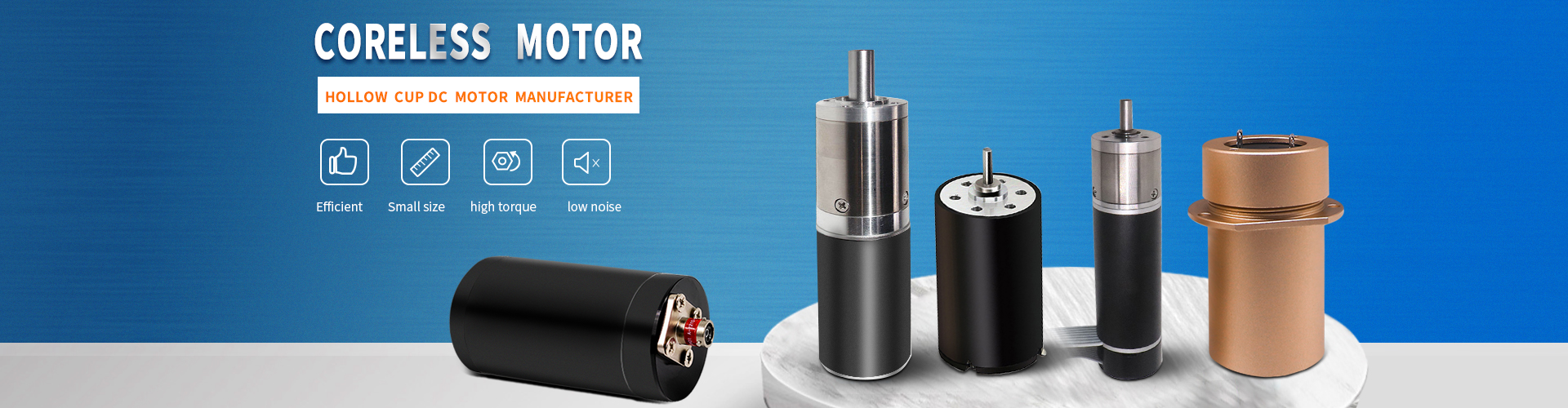
System designers and OEMs are increasingly benefiting from the availability of integrated coreless motor drive solutions that combine the motor, controller, and feedback electronics in a single compact package. These fully integrated systems eliminate the need for separate component sourcing, complex wiring, and extensive tuning procedures, significantly reducing development time and risk. The availability of such solutions is accelerating the adoption of coreless motor technology across a diverse range of applications, from medical devices to industrial automation.
The integration of control electronics directly into the motor housing offers several technical advantages beyond simplifying system integration. Shorter electrical connections between the controller and motor windings reduce electromagnetic interference and improve noise immunity, enabling more reliable operation in electrically noisy environments. The integrated approach also facilitates the implementation of sophisticated control algorithms, including field-oriented control and sensorless commutation, that were previously difficult to implement in compact systems due to space constraints.
The development of integrated drive solutions has been enabled by advances in miniaturized power electronics and the availability of highly integrated motor control ICs. These compact controllers incorporate complete motor control functions, including commutation logic, current sensing, and protection features, in packages small enough to fit within the motor housing. As these integrated solutions become more widely adopted, system designers are able to focus on higher-level application functionality rather than spending time on detailed motor control development, resulting in more capable products that reach the market faster. The trend toward system-level integration is expected to continue, with future developments potentially including wireless connectivity and advanced diagnostics capabilities within the motor module.
Post time: Jul-25-2026