
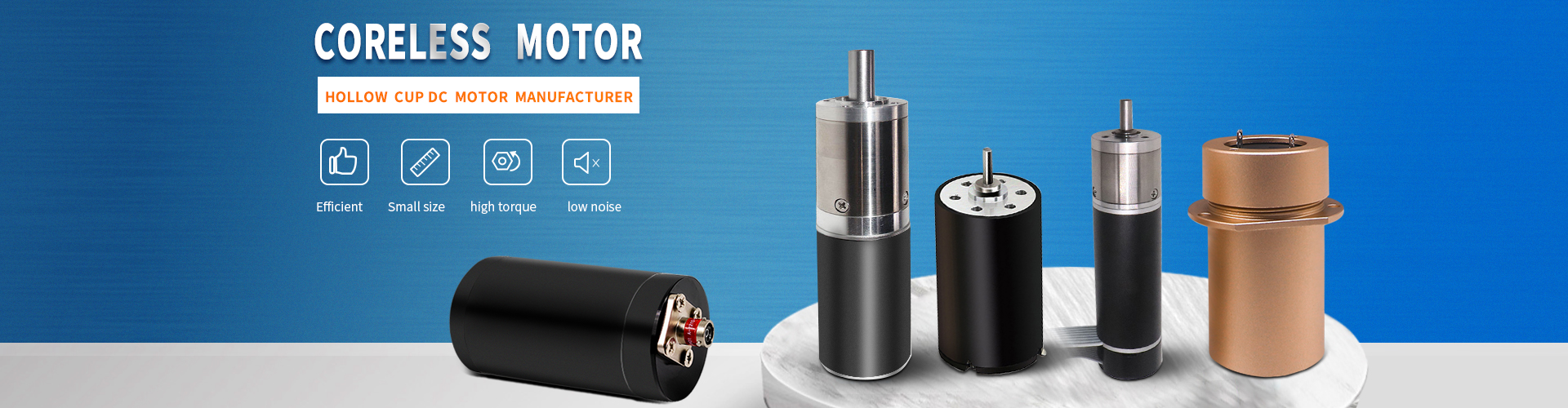
The global electric mobility revolution is driving unprecedented demand for efficient, lightweight, and compact electric drive solutions across a wide range of platforms, from electric scooters and bicycles to light electric vehicles and autonomous delivery robots. Hollow cup coreless motors are increasingly being recognized as a key technology for these applications, offering significant advantages over traditional iron-core motors in terms of efficiency, weight reduction, and dynamic response.
The aerospace and automotive sectors are taking particular notice of coreless motor technology. Weight reduction is a critical priority for electric aircraft and unmanned aerial vehicles, where every gram saved contributes to extended flight times and improved payload capacity. Coreless motors are achieving notable adoption in these applications, providing the dual benefits of reduced weight and enhanced energy efficiency. A leading electric aviation startup has reported a 15% increase in flight duration after transitioning to coreless motor technology for its aircraft control surface actuation systems.
In the surface mobility segment, e-scooters and e-bikes are benefiting from the high torque-to-weight ratio of coreless motors. Manufacturers have been able to reduce overall vehicle weight while simultaneously improving acceleration performance and range. The compact form factor of these motors also allows for more streamlined vehicle designs, contributing to both aesthetic appeal and aerodynamic efficiency. For autonomous delivery robots, the reliability and low maintenance requirements of coreless motors make them an attractive alternative to brushed motors, which require periodic brush replacement and generate more electrical noise.
Development efforts to further enhance coreless motor efficiency are also progressing. Researchers are exploring alternative winding materials and configurations to achieve even greater power density. The adoption of advanced magnet materials and innovative cooling strategies are also showing promise in pushing the performance envelope of coreless motors. These developments are expected to enable coreless motors to address an even broader range of applications in the mobility sector, including light electric vehicles and small marine propulsion systems.
The integration of coreless motors with advanced power electronics and battery management systems is creating opportunities for system-level optimization. By coordinating motor, battery, and controller operation, engineers can extract maximum performance from each system component. Several mobility solution providers are now offering integrated drive systems that combine coreless motors with custom controllers, simplifying the design and manufacturing process for vehicle OEMs.
As the e-mobility market continues to expand, driven by environmental regulations and consumer demand for sustainable transportation, the demand for high-performance coreless motors is expected to grow at a compound annual rate exceeding 10% through the next decade. Manufacturers capable of delivering cost-effective, reliable coreless motor solutions are well-positioned to capitalize on this market expansion. The global supply chain for coreless motor materials, including rare-earth magnets and high-purity copper wire, is also evolving to support this growing demand, with new production facilities coming online in key manufacturing regions.
Additionally, as governments around the world implement stricter emission standards and provide incentives for electric vehicle adoption, the economic case for coreless motor technology becomes increasingly compelling. The combination of lower operating costs, reduced maintenance requirements, and extended service life makes coreless motors a financially attractive option for fleet operators and individual consumers alike. With continuous technological advancement and economies of scale, the cost premium of coreless motors over conventional alternatives is expected to narrow, further accelerating their market penetration.
Post time: Jul-11-2026